
Best Camera Phones: In recent years, smartphone cameras have transformed the way we capture the world. What once required bulky DSLR equipment can now be achieved with a slim device that fits in your pocket. From stunning low-light photography to cinematic video recording and AI-powered image processing, modern camera phones have redefined mobile photography. Choosing the best camera phone, however, is not just about megapixels—it’s about sensor quality, image processing, lens versatility, and software optimization.
This article explores the best camera phones currently available, highlights what makes them stand out, and helps you decide which one suits your photography needs.
What Makes a Great Camera Phone?
Before diving into the best devices, it’s important to understand the factors that define a great camera phone:
- Sensor Size: Larger sensors capture more light, improving detail and low-light performance.
- Lens Quality: Ultra-wide, telephoto, and periscope lenses add versatility.
- Image Processing: AI and computational photography enhance colors, sharpness, and dynamic range.
- Video Capabilities: Stabilization, frame rates, HDR, and cinematic modes matter.
- Low-Light Performance: Night modes and optical image stabilization are crucial.
A phone that balances all these aspects delivers the best overall camera experience.
1. Apple iPhone Pro Series
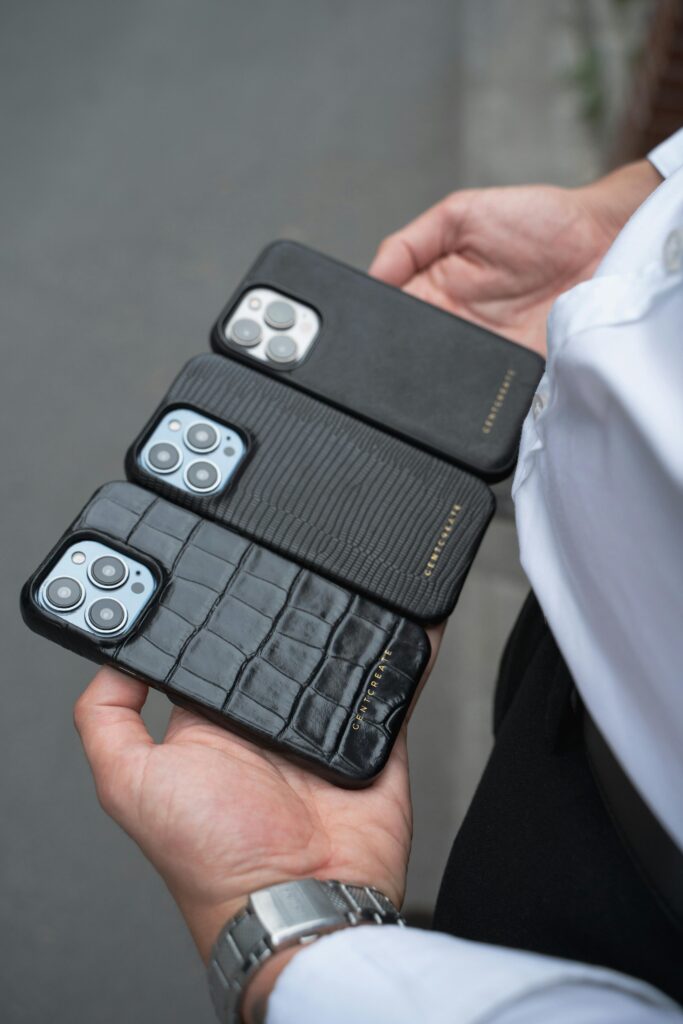
Apple’s iPhone Pro models are widely regarded as some of the best camera phones in the world. The iPhone Pro lineup focuses on consistency, color accuracy, and professional-grade video performance.
The triple-camera system includes a wide, ultra-wide, and telephoto lens, supported by Apple’s powerful image processing. Features like Smart HDR, Photonic Engine, and Deep Fusion ensure excellent detail and natural colors in all lighting conditions. The iPhone Pro series is especially favored by content creators due to its industry-leading video quality, offering ProRes video, cinematic mode, and superior stabilization.
Best for: Video creators, professional photographers, and social media influencers.
2. Samsung Galaxy S Ultra Series
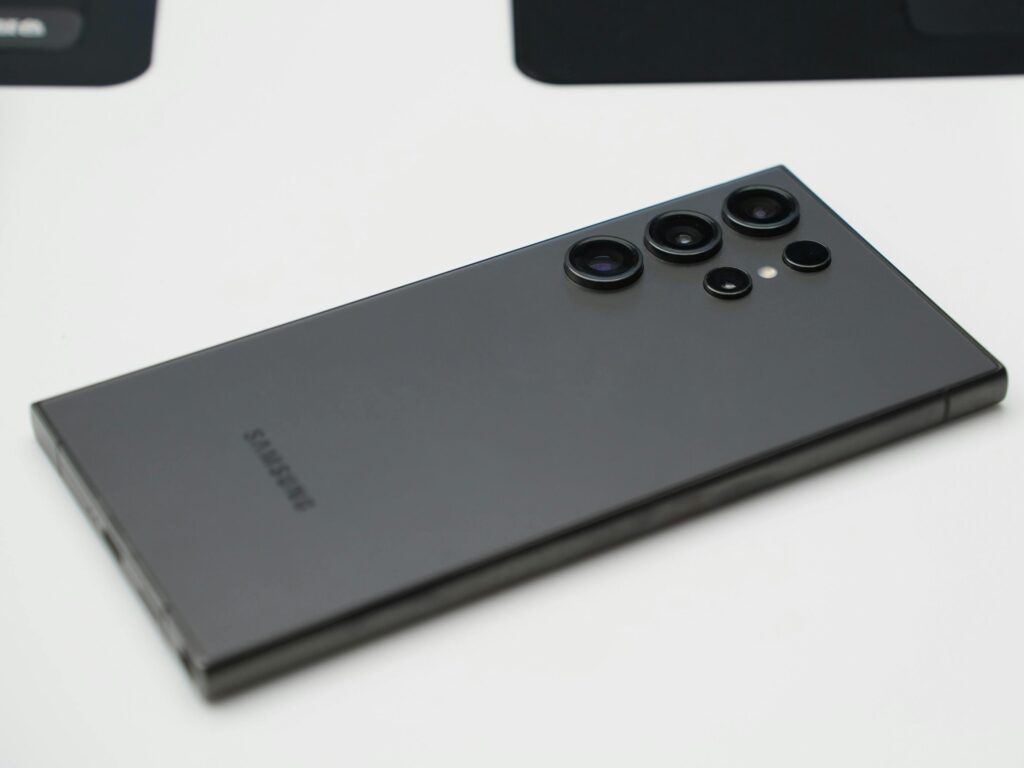
Samsung’s Galaxy S Ultra phones are known for pushing camera hardware to the limit. With extremely high-resolution sensors and advanced zoom capabilities, these devices are photography powerhouses.
The standout feature is the periscope telephoto lens, enabling long-range optical and hybrid zoom. Samsung also excels in vibrant color reproduction and high-contrast images. Night photography is impressive thanks to multi-frame processing and large sensors. The camera app offers extensive manual controls, making it ideal for advanced users.
Best for: Zoom photography, versatility, and feature-rich camera controls.
3. Google Pixel Pro Series
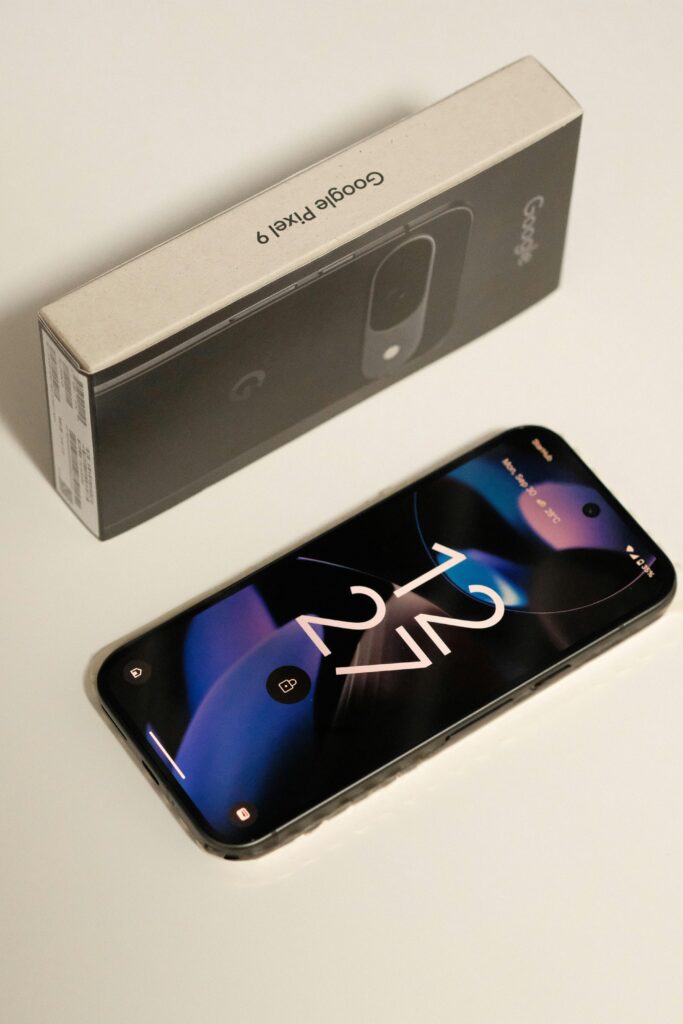
Google Pixel phones have earned a legendary reputation for their computational photography. Rather than relying solely on massive hardware, Pixel devices use AI and machine learning to produce exceptional images.
Pixel cameras shine in portrait photography, night mode, and HDR performance. Google’s image processing delivers realistic skin tones, excellent dynamic range, and sharp details. Features like Magic Eraser and AI photo enhancement tools further elevate the photography experience.
Best for: Point-and-shoot photography, portraits, and AI-enhanced images.
4. Xiaomi Ultra Series
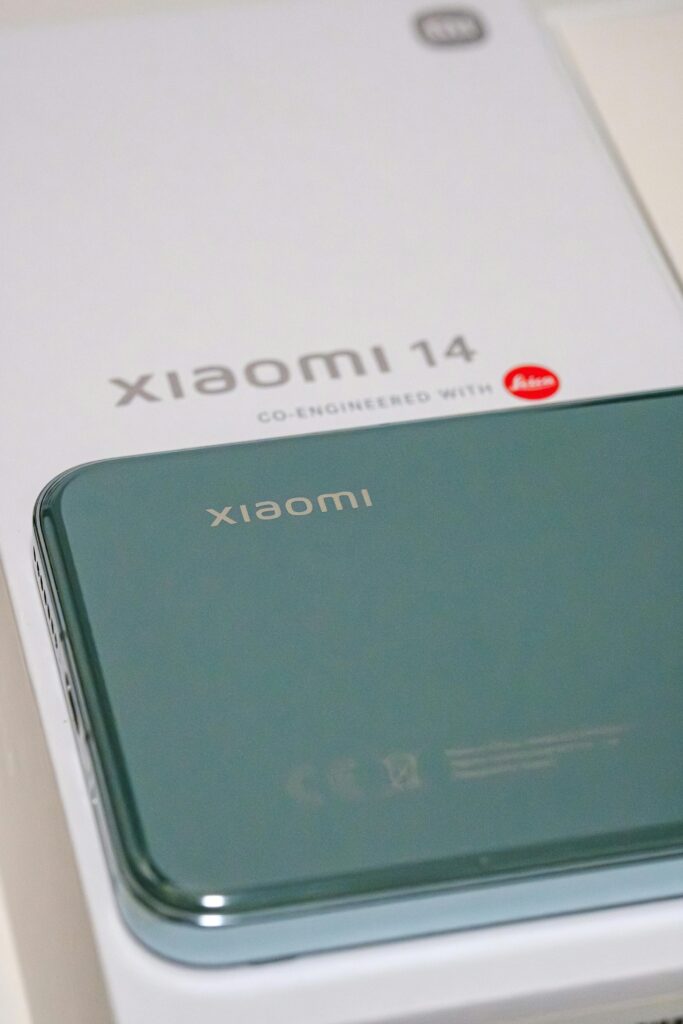
Xiaomi’s Ultra phones have emerged as serious contenders in the premium camera phone market. Often featuring large one-inch sensors, these devices deliver DSLR-like image quality.
The collaboration with professional camera brands and advanced lens engineering results in stunning detail, excellent dynamic range, and impressive low-light performance. Xiaomi phones also offer professional photography modes, RAW support, and powerful video features, appealing to serious photography enthusiasts.
Best for: Photography purists who want maximum sensor performance.
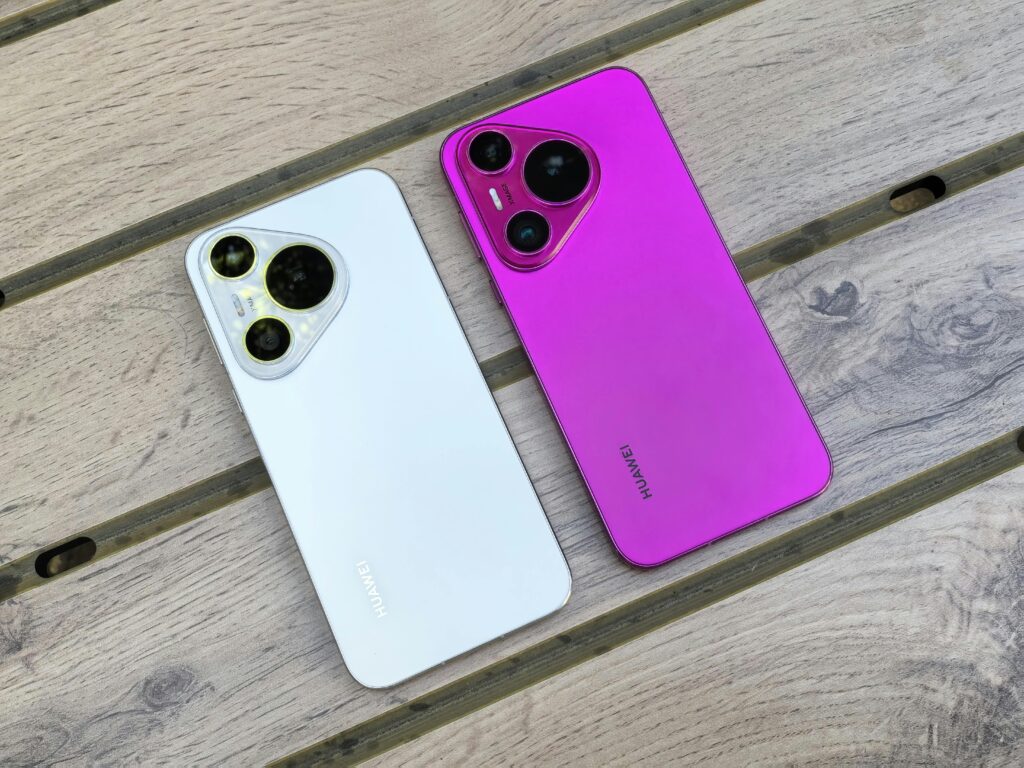
5. Huawei P and Mate Series
Despite limited global availability, Huawei continues to set benchmarks in smartphone photography. Their phones often lead in low-light performance and optical innovation.
Huawei’s camera systems use advanced RYYB sensors, which capture more light than traditional sensors. The results are brighter night photos, excellent detail, and strong zoom capabilities. The lack of Google services may be a drawback for some users, but purely from a camera perspective, Huawei phones remain among the best.
Best for: Low-light photography and advanced optical zoom.
Camera Phones vs Traditional Cameras
While professional cameras still offer superior control and sensor size, camera phones have closed the gap significantly. Smartphones excel in convenience, instant editing, and social media sharing. AI features allow users to capture professional-looking photos without technical knowledge, making camera phones the go-to choice for everyday photography.
Best Camera Phone for Different Users
- For Video Creators: iPhone Pro series
- For Zoom Photography: Samsung Galaxy S Ultra
- For Portraits & AI Photography: Google Pixel Pro
- For Pure Image Quality: Xiaomi Ultra series
- For Night Photography: Huawei flagship phones
Choosing the best camera phone depends on how and what you love to shoot.
Future of Camera Phones
The future of smartphone photography looks promising. Advances in AI, sensor technology, and lens design will continue to blur the line between smartphones and professional cameras. Features like real-time AI editing, improved computational zoom, and cinematic video modes are expected to become even more powerful.