
CLICK HERE FOR GOLD PRICE
The gold price has long been a key indicator of global economic stability and investor sentiment. This article explores the factors that influence gold prices, historical trends, and what the future may hold for gold as an investment and store of value.
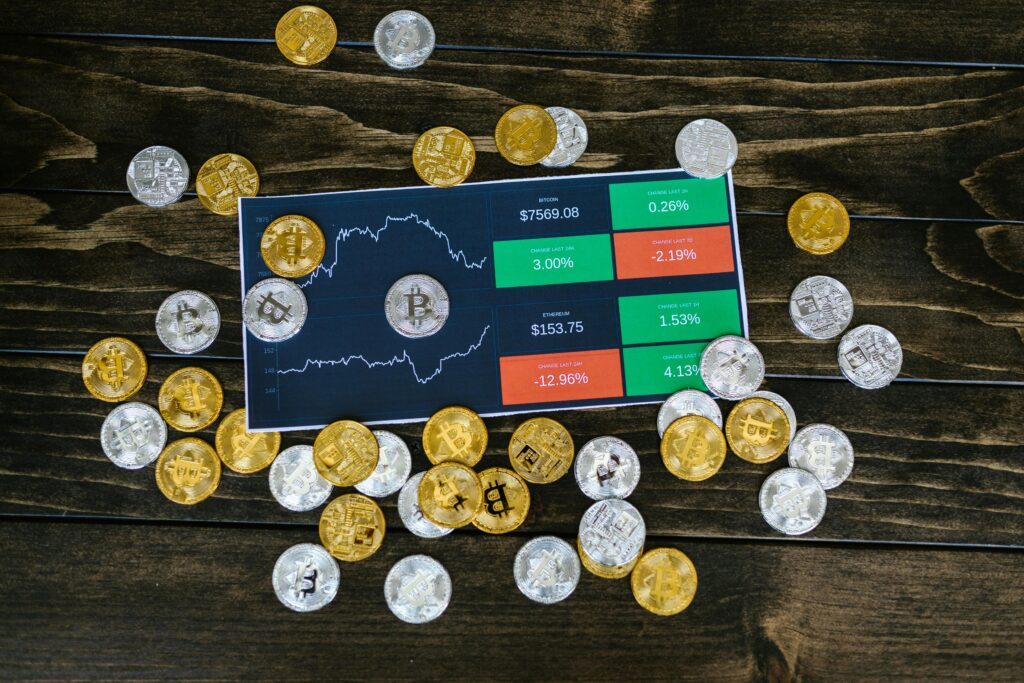
Gold has fascinated humanity for thousands of years. From ancient civilizations using it as currency to modern investors relying on it as a hedge against uncertainty, gold remains one of the most valuable and closely watched commodities in the world. The gold prices fluctuates daily, influenced by a wide range of economic, political, and financial factors. Understanding what drives these price movements is essential for investors, traders, and anyone interested in global markets.
Historical Perspective on Gold Prices
Historically, gold has been viewed as a symbol of wealth and security. For much of the 20th century, gold prices were tightly controlled under the gold standard, where currencies were directly linked to gold reserves. Once this system ended, gold prices became market-driven and more volatile.
Over the decades, gold prices have tended to rise during times of crisis—such as economic recessions, high inflation, or geopolitical tensions—and stabilize or decline during periods of strong economic growth. This historical behavior has cemented gold’s reputation as a “safe-haven asset.”
Key Factors That Influence Gold Prices
Several major factors affect the gold price, often interacting with one another:
1. Inflation and Currency Value
Gold is commonly used as a hedge against inflation. When inflation rises and purchasing power declines, investors often turn to gold to preserve value. Similarly, when major currencies weaken—especially the U.S. dollar—gold prices often rise, since gold is typically priced in dollars.
2. Interest Rates
Interest rates have a strong inverse relationship with gold prices. When interest rates are low, the opportunity cost of holding gold (which does not generate interest) decreases, making gold more attractive. Conversely, higher interest rates tend to put downward pressure on gold prices.
3. Global Economic Uncertainty
Economic instability, financial crises, and geopolitical conflicts usually increase demand for gold. During uncertain times, investors seek assets perceived as stable and reliable, pushing gold prices upward.
4. Supply and Demand
Gold supply is relatively limited, as mining output changes slowly and gold is costly to extract. On the demand side, gold is used for jewelry, technology, central bank reserves, and investment products such as ETFs. Any imbalance between supply and demand can influence prices.
5. Central Bank Policies
Central banks play a crucial role in the gold market. When central banks buy gold to diversify their reserves, prices often rise. Large-scale selling, though less common, can have the opposite effect.
Gold as an Investment
Gold is unique compared to other investment assets. It does not produce cash flow like stocks or bonds, yet it plays a critical role in portfolio diversification. Many investors allocate a portion of their portfolios to gold to reduce overall risk.
Gold can be invested in through several channels:
- Physical gold (bars, coins, jewelry)
- Gold exchange-traded funds (ETFs)
- Gold mining stocks
- Gold futures and options
Each option comes with its own risks and benefits, but all are influenced by the underlying gold price.
Gold Price Volatility and Market Sentiment
Although gold is considered a stable asset in the long term, its price can be volatile in the short term. Market sentiment, speculation, and sudden economic news can cause rapid price movements. Traders often respond to inflation reports, central bank announcements, and geopolitical developments, leading to short-term fluctuations.
Despite this volatility, gold has maintained its value over long periods, which is why it continues to attract both conservative and aggressive investors.
The Role of Gold in the Modern Economy
In today’s digital and highly financialized world, gold still holds a unique position. While cryptocurrencies and other alternative assets have emerged, gold remains deeply trusted. Governments, institutions, and individuals alike continue to rely on gold as a store of value and a symbol of financial security.
Technological advances have also increased gold’s industrial use, particularly in electronics and medical devices, adding another layer of demand that supports the gold price.

click here for gold price
Future Outlook for Gold Prices
Predicting the exact future of gold prices is impossible, but long-term trends offer some insight. Persistent inflation concerns, rising global debt, and ongoing geopolitical uncertainty suggest that gold will remain relevant. At the same time, higher interest rates or strong economic growth could limit price increases in the short term.
Many analysts believe gold will continue to play a balancing role in the global financial system, acting as insurance against extreme economic scenarios rather than a tool for rapid gains.